

Creating Defensible Space Around Your Home
by Kyle Reed, Cow Creek Umpqua Fire Mitigation Supervisor
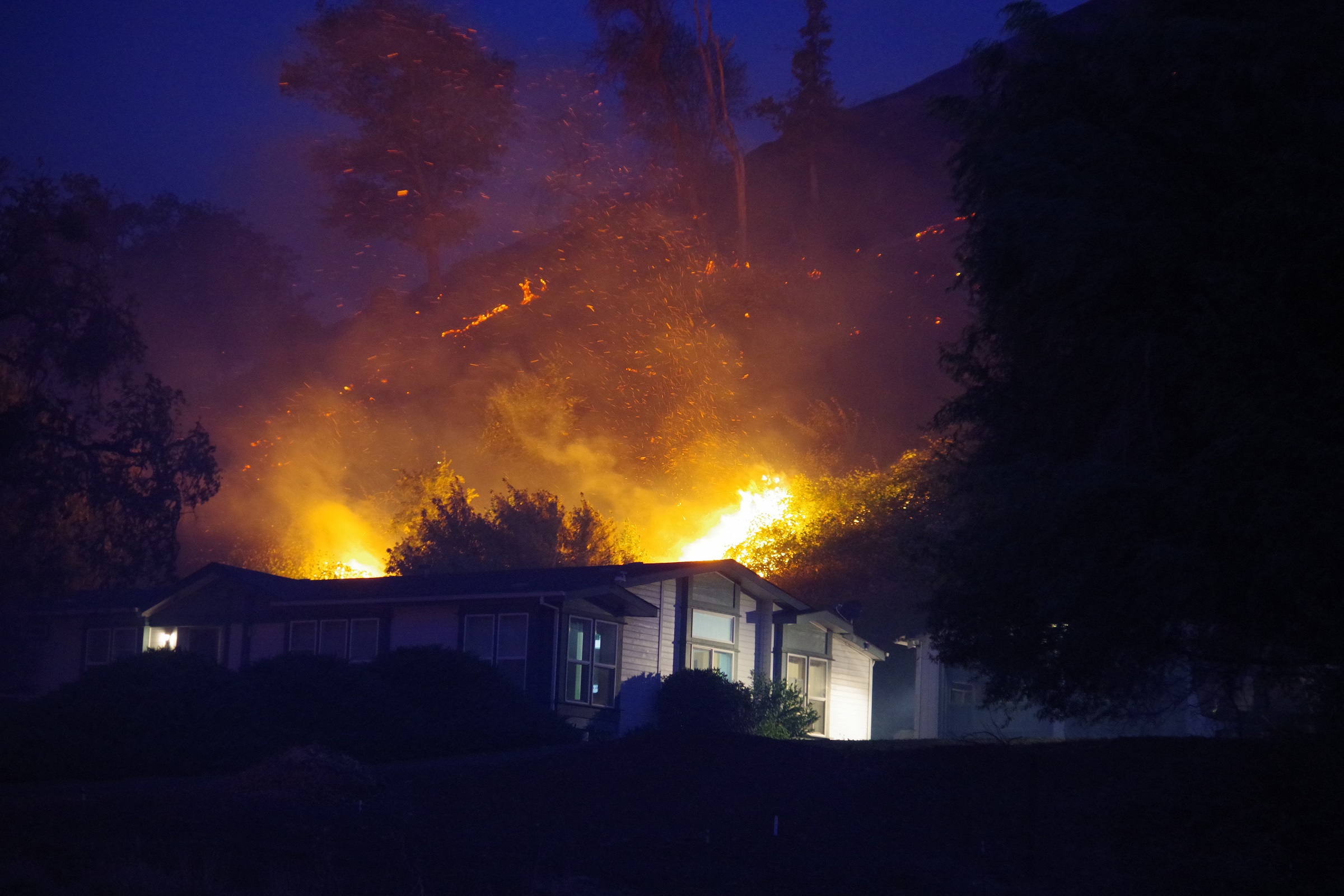
As wildfire season continues to grow longer and more intense across Oregon, creating defensible space around homes and other outbuildings has become one of the most important steps that residents can take to reduce their wildfire risk.
Defensible Space Basics
Defensible space can help slow or stop the spread of wildfire while reducing the risk of structure ignitions from direct flame contact, radiant heat, and airborne embers. Adequate defensible space also provides firefighters with a safer area to work when defending homes during actual fire events.
Creating and maintaining defensible space is one of the most effective ways homeowners can help protect their families, homes, and communities.
While no property can ever be made completely fireproof, taking proactive steps before a wildfire occurs can greatly improve a structure’s chance of surviving a wildfire.
Creating Defensible Space
When creating defensible space, homeowners should start at the structure and work outward at least 100 feet, or to the property line.
Simple tasks such as removing leaves, pine needles, and other combustible material from the roof, gutters, and deck are an easy way to start.
Replacing flammable bark mulch within the first five feet of a structure with hardscape materials, such as rock, pavers, or concrete helps create a non-flammable buffer directly around your home.
Combustible items such as patio furniture, cushions, rubs, and trash cans should be moved at least five feet away from structures to reduce ignition risk from wind-born embers.
Larger fuel sources, including firewood and lumber piles, should be stored at least 30 feet away from homes and other buildings whenever possible.
Create a Fire-Resistant Landscape
Remember that defensible space is not about stripping a property bare of vegetation. Instead, the goal is to create a healthier, more fire-resistant landscape.
Grass within the first 100 feet of structures should be kept mowed short to reduce flame height and fire intensity, especially if it cannot remain green and irrigated throughout the summer. Dead trees and shrubs should be removed, while healthy shrubs and trees should be properly spaced and pruned to reduce potential fire behavior and improve overall forest health.
Before performing vegetation management during the summer months, residents should check with their local fire department or wildfire agency as seasonal fire restrictions on power equipment may be in effect.
Learn More
For more information, or to request an on-site consultation of your property, contact Cow Creek Tribal Fire Management at firemanagement@cowcreek-nsn.gov.