Recognizing Missing and Murdered Indigenous Peoples Awareness Day
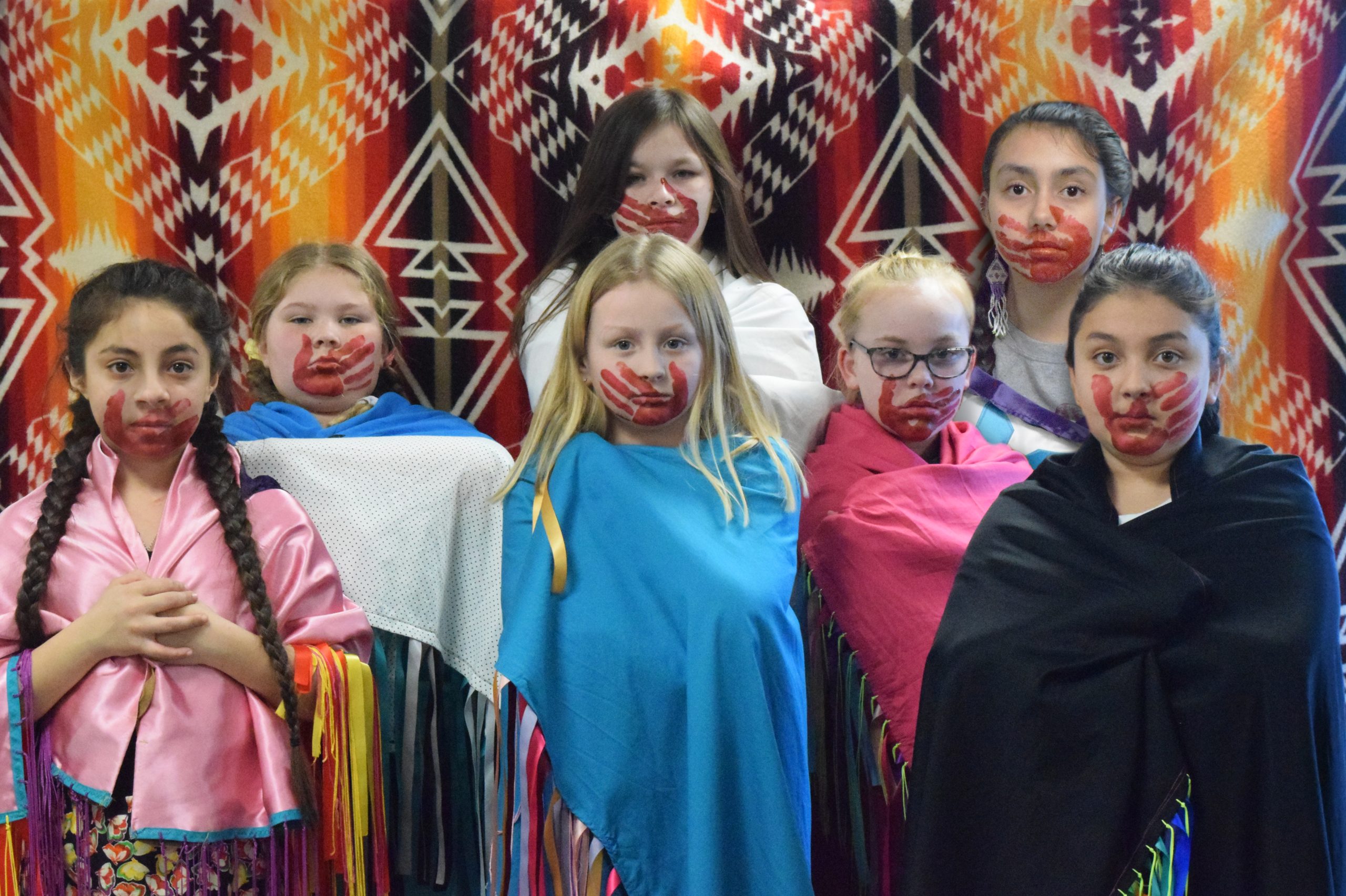
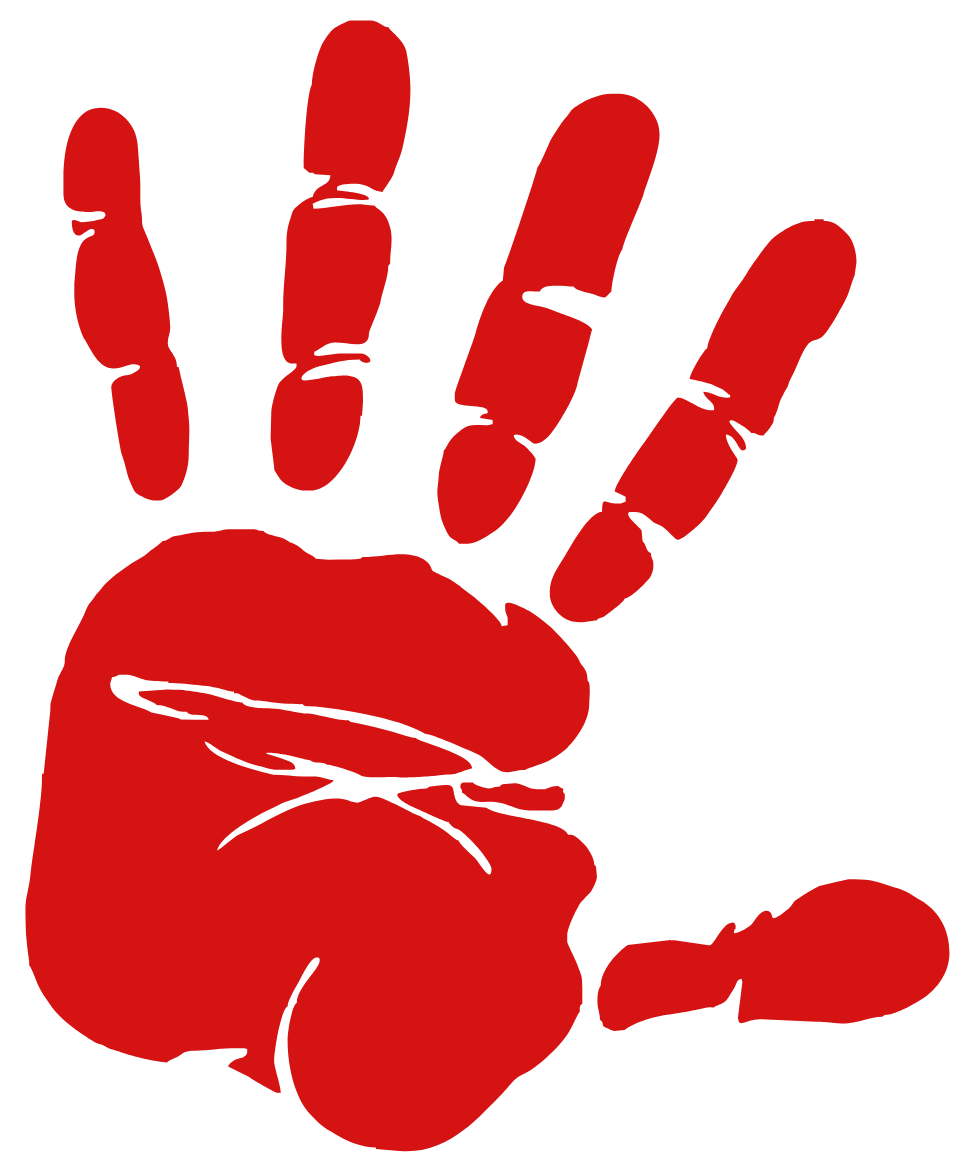
A red hand-print, often over the mouth, has become a symbol of opposition against violence toward Native and Indigenous women.
It represents being unable to speak up or be heard, an experience felt by many women of color. n this photo, children who are citizens of the Cow Creek Band of Umpqua Tribe of Indians demonstrate the red hand-print at the Expanding Horizons Youth Center, located in Myrtle Creek.
No One Is Disposable
Every year on May 5, communities across Indian Country pause for Missing and Murdered Indigenous Peoples Awareness Day, a national day of remembrance for Native people who have been victims of violent crimes, and those who were lost to violence simply because they were Native American.
Statistics show that Native American women and children (men too, in certain cases) are targeted, harmed and in the worst cases killed at alarmingly higher rates than other groups of people. For many painful reasons, crimes occur and then are often unaddressed or not properly investigated because the victims are from Native communities.
In short, many refer to it as MMIP Day or MMIW Day, but overall, it’s a call to action to support Native people who exercise courage to speak out and bring awareness to this silent crisis. It is often symbolized with a red handprint over the mouth. For many, that imagery calls to mind that others may view Tribal communities as places where it is acceptable to look away from violence and problems and be silent. But no one is disposable or expendable.
A 2016 study by the National Institute of Justice found that four out of five American Indian and Alaska Native adults have experienced violence in their lifetimes. Native women are murdered at rates up to ten times higher than the national average. Over the last decade there have consistently been over 5,000 cases of missing Native women and girls reported each year. In 2024, the most recent year of reported data, the FBI received 5,614 reports of missing Native women. But there is still the troubling aspect that many cases continue to go unreported.
Cases are not reported for many reasons. Victims feel shame, fear, are stonewalled by their own trauma, or have developed a mistrust in law enforcement for failing their families in times before. When reports are made, they are sometimes lost between jurisdictions, misclassified, or not urgently investigated. Each failure re-victimizes families and deepens the silence.
But with every year that MMIP/MMIW is acknowledged and talked about, there is change. Change is small and slow, but it is happening. Native and Indigenous communities across North America are standing up and vocalizing what they have seen. There is increased education and opportunities for others to learn about the disparity. There are events now held regularly, even outside of May and spring, to call attention to MMIW/MMIP. Growing public awareness is a step in the right direction.
If you or someone you love has experienced violence, exploitation, or abuse, you do not have to carry that alone. No matter how anyone has tried to make you
feel small or ashamed or powerless, you deserve respect and justice.
May 5: Missing and Murdered Indigenous Peoples Awareness Day
 by Arika Tenbrook, Public Health Registered Nurse
Missing and murdered Indigenous persons (MMIP) is a topic that weighs heavy on our hearts. Each year on May 5, we remember those who have been murdered or are missing, and we do our best to prevent further tragedy. Many factors, including limited resources, jurisdictional concerns and lack of trust in law enforcement, complicate investigations and contribute to this crisis. Since families are often the driving force behind investigations and reporting, here are the proper steps to follow if a relative goes missing and ways to keep yourself and your family safe.
How Do I Keep Myself and My Family Safe?
- Leave domestic violence situations early
- Stay alert when walking alone; keep your eyes up and head on a swivel
- Report stalking
- Tell someone where you are going and when you plan to be back
- Stay in groups
- Carry a taser, pepper spray, or birdy alarm. If you choose to carry another weapon, do so legally and know how to safely use it.
- Take self-defense classes and practice regularly
- Keep your phone charged when traveling
- Consider sharing your location with trusted family members on an app such as Life 360
- Teach children stranger danger and to not keep secrets; be involved in their lives and aware of their activities
- Be cautious of what you and your child post online
- Keep your location private on social media
How Do I Respond if a Friend or Relative Goes Missing?
- If someone is missing and you think it could be an emergency, call 911 and report them missing. If you do not think it is an emergency, you can call the local non-emergency line.
- Report missing youth immediately, do not wait!
- Follow guidance from law enforcement
- You can ask for a supervisor if you do not think your report is being taken seriously.
- You do not need to wait any length of time to make a missing persons report; you can make the report as soon as you realize your loved one is missing.
- In Douglas County, Tribal police and other departments use the same dispatch center, so your report will go to the correct department, depending on jurisdiction.
MMIP Resources
- Call 911 for emergencies
- Cow Creek Umpqua Tribal Police (non-emergency dispatch): (541) 691-1432
- Douglas County Sheriff’s Office (non-emergency dispatch): (541) 440-4471
- Douglas County Human Trafficking Taskforce endtraffickingdouglascounty.org/
- Peace at Home Advocacy Center: peaceathome.com/
- National Indigenous Women’s Resource Center: niwrc.org/resources/toolkit/mmiw-toolkitfamilies-and-communities
- When a Loved One Goes Missing Guide: niwrc.org/sites/default/files/files/reports/mmiw_when-a-loved-one-goes-missing_guide_2024.pdf
- Free Identification Kits for Families: (Only given to law enforcement if someone goes missing): oregon.gov/osp/missing/Pages/idkits.aspx