

Chocolate: More than just a sweet treat…
by Arika Tenbrook, Cow Creek Umpqua Public Health Registered Nurse
Much like the taste of chocolate, the history and health benefits of chocolate are rich and intriguing. The use of cocoa has long been associated with health and vitality; today, we enjoy this incredibly sweet treat casually, without understanding the full range of benefits this food offers. Let’s explore how we have deviated from using cocoa for nourishment and how we can return to healthy consumption, while continuing to enjoy this ancient food.
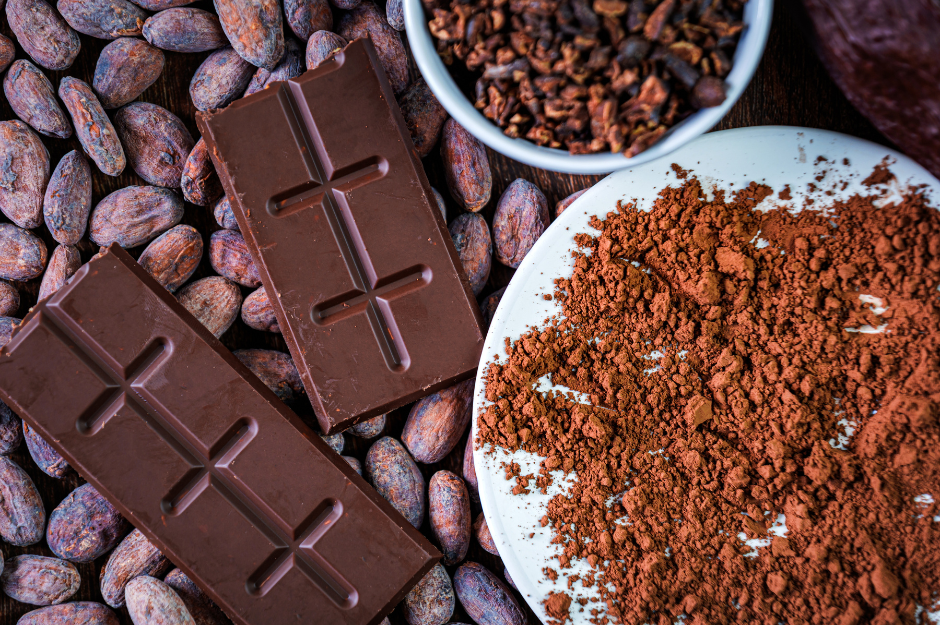
For clarity, the remainder of this article will use cocoa to refer to the raw, roasted and powdered seeds of the Cacao tree; chocolate will be used to describe any confection or product made from these basic ingredients.
Cocoa consumption started with the Aztecs, Mayans, and Olmecs in South America. These ancient civilizations used cocoa as medicine, currency, in religious rituals, and for occasions like births, marriages, funerals, and in politics. It is unknown who brought cocoa to Europe, but that credit is often given to Hernan Cortez. Europeans initially used cocoa as medicine until the Victorian era, when they discovered it was more palatable with the addition of sugar. At this point, people began to overindulge in this treat rather than savor cocoa for its bold flavor and nutritional benefits.
As with most whole foods, cocoa is high in many health benefits. Cocoa is high in two protective plant compounds called flavonoids and polyphenols; these compounds prevent free radicals from causing damage to your heart and blood vessels. Preventing damage to the blood vessels prevents the buildup of plaque and helps to keep your vessels flexible and elastic. Cocoa also contains minerals like magnesium, zinc, and potassium. The nutrients found in cocoa can be linked to many health benefits, including increased glucose uptake into muscle cells, positive mood, enhanced cognitive function, and decreased inflammation.
It is possible to enjoy chocolate while also taking advantage of the health benefits it offers. Here are some tips to get the most nutrition and enjoyment from cocoa and chocolate:
- Choose chocolate and cocoa that are minimally processed or have not been through a process called “dutching.” Dutch chocolate is treated with chemicals to lower the acidity. Dutching enhances the flavor and darkens the color; unfortunately, this process also lowers the nutritional value of cocoa and chocolate.
- Look for chocolate that has 70% or higher cocoa solids. If you don’t like dark chocolate, slowly increase the percentage of cocoa solids in your chocolate until you are enjoying 70% or higher chocolate.
- Indulge in chocolate for special occasions; take time to savor the flavor and texture of the chocolate; be mindful of your experience while enjoying this delightful treat.
- Cocoa can be enjoyed in many ways besides a chocolate bar. Try adding cocoa nibs or powder to your oatmeal or other foods. Since cocoa beans are dried, they can be ground and brewed like coffee or steeped like tea; try this instead of your morning coffee. Lastly, you can experiment with using cocoa in savory applications like adding it to chili.
Chocolate can be part of a healthy lifestyle when consumed in moderation and with health in mind. This Valentine’s Day, don’t miss the opportunity to gift cocoa or dark chocolate to your loved ones as a healthy treat.