
U.S. Approves $2 Billion Renewable Energy Project on Sacred Yakama Nation Site on the Columbia River
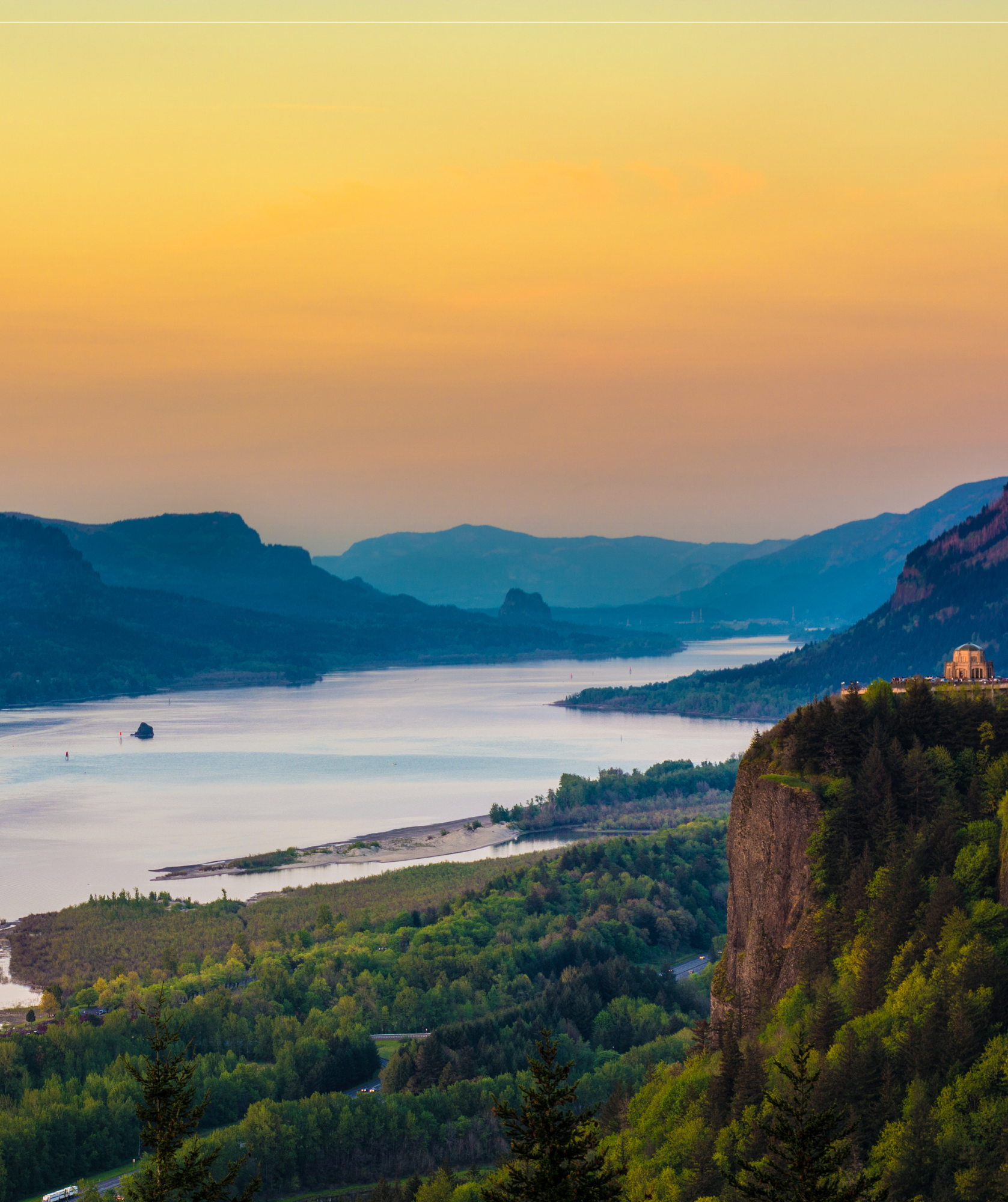
The Columbia Gorge
A renewable energy megaproject recently greenlit by federal regulators is causing concern because of disturbances to a Yakama Nation sacred site near the Colombia River. Named the Goldendale Energy Storage Project, it would replace a hillside used for ceremonies and treaty-reserved fishing and root gathering with a giant hydropower generator.
The project seeks to meet the crisis of rising energy consumption in the Pacific Northwest, partially due to energy-intensive data centers, by generating enough electricity to power 500,000 homes for 12 hours. The design functions by storing 2.3 billion gallons of water in a man-made reservoir on the top of the bluff, then dropping that water down a tunnel bored in the rock to push turbines. The system would then use wind and solar power to pump the water back up to the reservoir. The designed machinery would cover nearly 700 acres, and would be estimated to take four to five years to construct.
Erik Steimle, the project leader at Rye Development, believes this approval to be the final legal step to move the project into construction in 2027.
“This is a landmark moment for the Pacific Northwest,” said Steimle in a press release. “With electricity demand and energy costs on the rise, this license represents a huge step toward a more reliable grid and affordable energy prices for the region. There’s an urgent need for this type of energy storage, and the Goldendale project will help Washington meet its clean energy goals with minimal environmental impact.”
The Yakama Nation, as well as 17 other Tribal governments, the National Congress of American Indians, and the Affiliated Tribes of Northwest Indians are strongly opposed to the project, as it would entirely destroy a sacred site that has rested along the Columbia River since time immemorial.
The Yakama Tribal Council Chairman Gerald Lewis stated that the permit approval was “rewarding bad actors who have spent years finding loopholes to target a new wave of industrial development on top of Indigenous sites that have religious and legendary significance.”
“They know it’s wrong,” he added. “If a small Christian shrine sat on this site the decision-makers would understand what ‘sacred’ means.”
The site is referred to as “Pushpum,” a name meaning “Mother of All Roots,” as it hosts a bank of seeds for almost three dozen varieties of roots, flowers, and shrubs, some of which can only be found there. There are also archaeological sites on the premises. If the Goldendale Energy Storage Project is to proceed, then the damage to Pushpum would be irreversible. These dangers are highlighted a documentary titled These Sacred Hills.
Steimle claims that Rye Development was invited to use the land by a private landowner, and that they are moving some proposed components of the project to accommodate Native concerns.