
Forage Safely This Fall Season
by Arika Tenbrook, Public Health Registered Nurse
At this time of year many people are out in the woods hunting; but they are also foraging for wild edibles and traditional medicines. Wild edibles can be very healthy for you; unfortunately, the process of harvesting wild food can also be risky, it is imperative to be knowledgeable before harvesting and eating wild food. This article will provide some guidelines for safe foraging practices to ensure you get the most out of the bounty to which we have access.
Identify Safe Plants to Harvest
The first step to safe foraging is to identify the plants you want to harvest and any lookalike plants that are considered poisonous or inedible. Some plants can be toxic or harmful just from touching them, others can cause organ damage, intense gastrointestinal upset, hallucinations or even death if ingested. You may decide the risk is not worth the reward when foraging for certain wild foods because the look-alike plants are so toxic.
Online resources can be good sources for learning safe foraging practices and wild edible harvesting; unfortunately, inaccurate information is often published online. When researching wild edibles, you should identify reputable sources. Some of the best resources are books; books go usually through a more rigorous process prior to publications than blogs and online content. Books can also be taken with you as a reference guide since they go beyond the limits of cellular coverage and wireless networks.
Research books and authors before purchasing; recently AI has been leveraged to write books, these books often have inaccurate information or appear like a less expensive version of an actual book.
Know Where to Forage
Knowledge of the area you want to forage is imperative. Know where you can legally forage. We are surrounded by public and private land; it is a matter of safety to know boundary lines before you access property or take resources.
OnX maps is an app that can be used for free or with a subscription, to help identify public and private property boundaries.
It is safest to forage away from areas frequented by humans. Wild edibles grown in areas that have frequent human activity are more likely to be contaminated by chemicals, exhaust from vehicles or unfortunately, human excrement. When collecting wild edibles, it is vital to take note of the area around the plant to ensure cleanliness and to help you properly identify the wild edible.
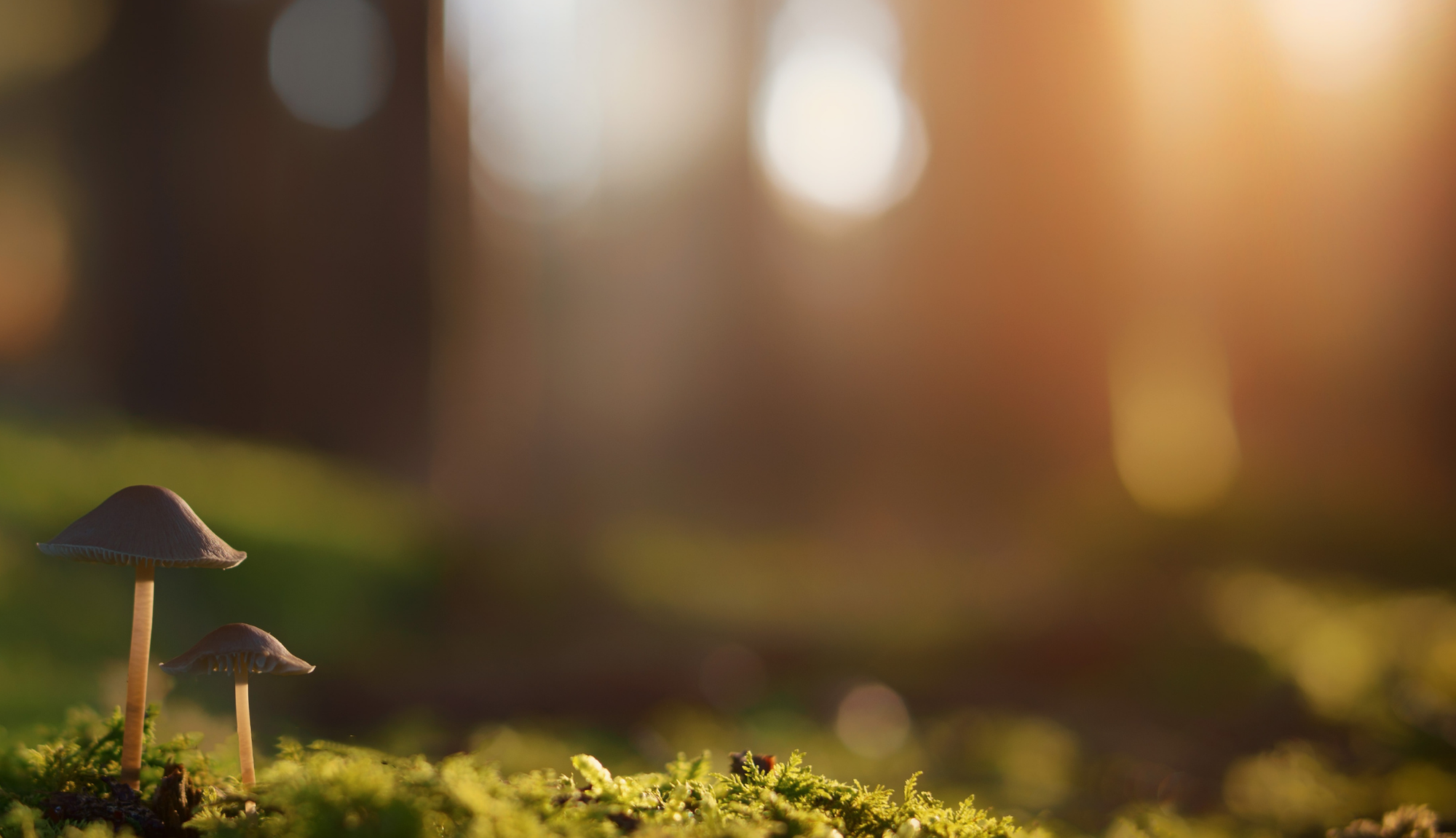
For example, certain mushrooms like to grow on trees, if you found a similar looking mushroom growing on the forest floor, you would likely determine it was a look-alike mushroom that could be dangerous.
Practice Outdoor Safety
Safe foraging includes practicing outdoor safety; know the area before you go, be prepared to keep yourself alive if you do get lost, and always let someone know where you will be and when you expect your return.
When venturing outdoors, you should always take basic survival equipment like fire starting supplies, appropriate clothing, first aid gear, food and water, and some form of self-defense, like bear spray or a firearm. If you can, take a friend with you.
Using ribbons to mark your path out is a good way to prevent getting lost. A satellite phone is another great addition to your outdoor gear.
Forage Sustainably
Sustainable foraging practices are essential to support continued growth and production of wild edibles. It is important to know the best practice for harvesting each individual plant. For example, if you are harvesting wild onion/ramps it is best to harvest only 25% of the leaves and allow the bulb to remain in the ground so it can continue to come back year after year. Learn to take only what you need so the resource is there for others and for wild animals. Avoid contaminating or harming the area in any way, leave no trace. Sustainable foraging practices can be learned and enhanced by embracing traditional ways of gathering and harvesting.
Prepare Food Properly
Learn how to properly prepare and consume wild edibles.
Mushrooms are one example of a wild edible that can be dangerous if not properly prepared. All wild mushrooms should be cooked well before consumption. Some mushrooms and other lants are poisonous unless extensive care and multiple steps are followed for preparation; even if prepared correctly, it is generally recommended not to consume these plants since there are so many safer alternatives.
Learn from an Expert
One of the best ways to ensure safe foraging is to learn from or go with an expert. Acquiring knowledge through experience is one of the best ways to learn safe foraging techniques. If you are unable to forage with an expert, take pictures or have an expert verify the identification before you consume it.
By learning and passing down traditional wisdom and skills, we can work to grow traditional knowledge generation after generation. Learning traditions like foraging and harvesting native foods can help to strengthen ties to culture and improve mental health. Spending time outdoors serves to remind us of the beauty and bounty the Earth produces.
The following is a favorite foraging quote:
“There are old foragers, and there are bold foragers, but there are no old bold foragers.”
-Unknown