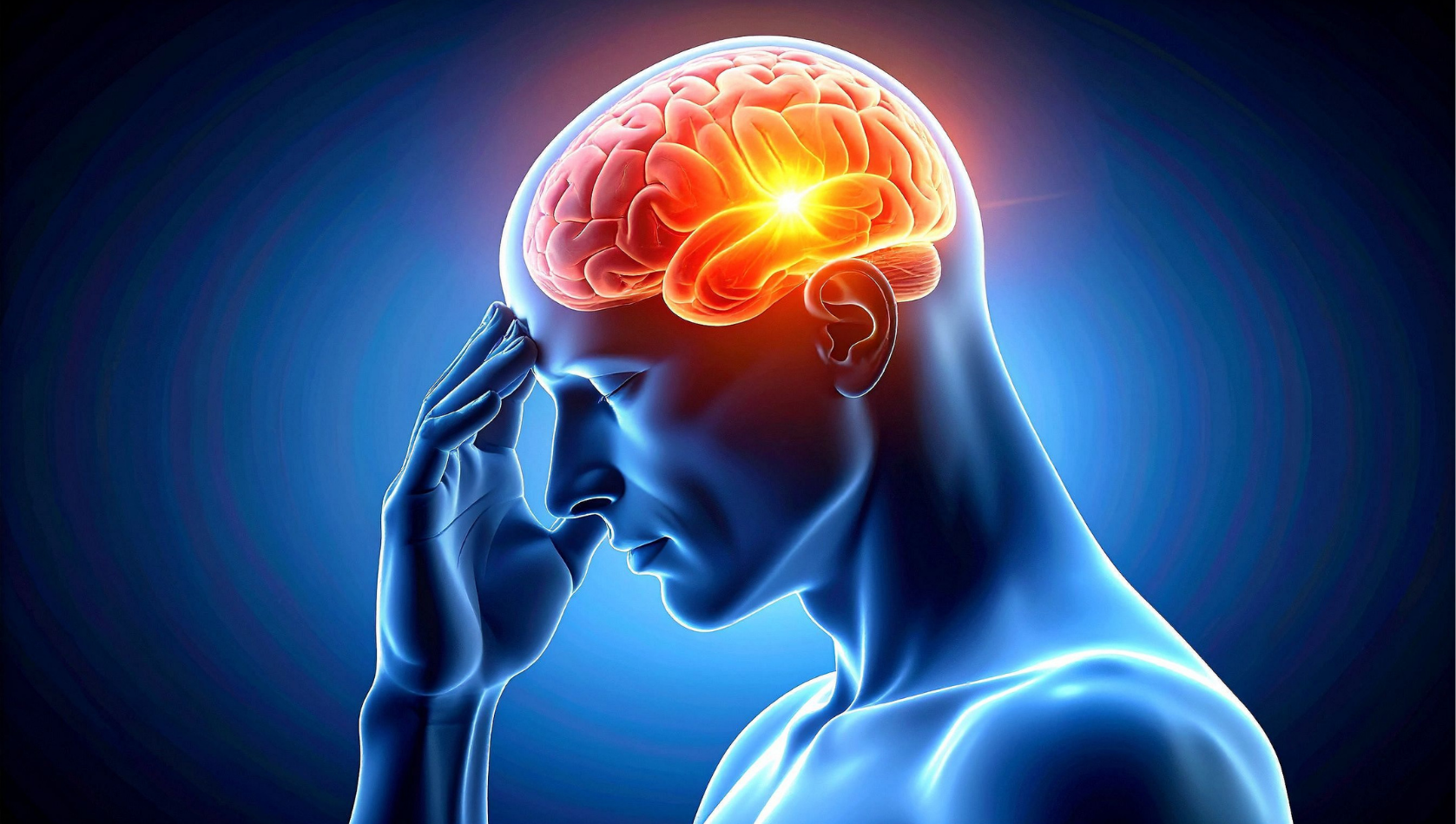


Brain Health Month: Traumatic Brain Injury (TBI)
This message brought to you by Arika Tenbrook, Cow Creek Umpqua Public Health Registered Nurse.
For the month of March, we are focusing on brain health. Learn about traumatic brain injury by reading the attached article and be on the lookout for more brain health related content.
Traumatic brain injury is damage to the brain, caused by an outside force.
Brain injuries result from the brain shifting and hitting the inside of the skull. Damage can also occur from a penetrating injury or from shock waves related to a blast or explosion. Injuries can be mild, moderate, or severe, and cause short-term and long-term complications. Concussion is a mild form of traumatic brain injury.
Children under four, adolescents, the elderly, and males of all ages are at the highest risk for concussion.
Traumatic brain injuries can have long-lasting effects on your ability to function and may increase your risk of cognitive decline with age. Take proper precautions and understand the risks of TBI.
Prevent TBI by using seat belts in vehicles, correctly wearing a helmet for sports, and paying attention to your surroundings to avoid falls.
Mild Symptoms
- Headache
- Nausea and vomiting
- Fatigue or drowsiness
- Speech problems
- Blurred vision
- Ringing in the ears
- Bad taste in the mouth
- Sensitivity to light or sound
- Loss of consciousness for a few seconds to a few minutes
- Being dazed, confused, or disoriented
- Memory and/or concentration problems
- Depression and/or Anxiety
- Insomnia or hypersomnia
Moderate to Severe Symptoms
- Extended loss of consciousness or coma
- Persistent or worsening headache
- Ongoing nausea and vomiting
- Seizures
- Dilated pupils in one or both eyes
- Clear fluids draining from the nose or ears
- Weakness or numbness of extremities or loss of coordination
- Significant confusion
- Unusual behavior, such as agitation
If you develop symptoms of a brain injury or concussion after an accident, you should be seen by a medical provider.
For severe symptoms and/or loss of consciousness, you should call 911 or be seen in the Emergency Room.
In most cases, concussion can be treated at home by decreasing stimuli and resting.
Learn more here: www.cdc.gov/traumatic-brain-injury/response/index.html