Tribal Fire Management
Cow Creek Tribal Fire Management was established on February 22, 2023, by Cow Creek Tribal Board of Directors Resolution #2023-05. Over the next two years, the department took shape as Tribal staff applied for and received grant money, recruited and hired leadership positions, and remodeled an existing Tribal property to house the new department. Over the next two years, a Wildfire Mitigation Specialist and Fire Chief were hired, and in 2024 the organization hired an Emergency Manager, helping to prepare the Tribe for all hazards. In early 2025, Fire Management rounded out the organization, onboarding a Wildfire Operations Specialist, Engine Boss, and several Wildland Firefighters.
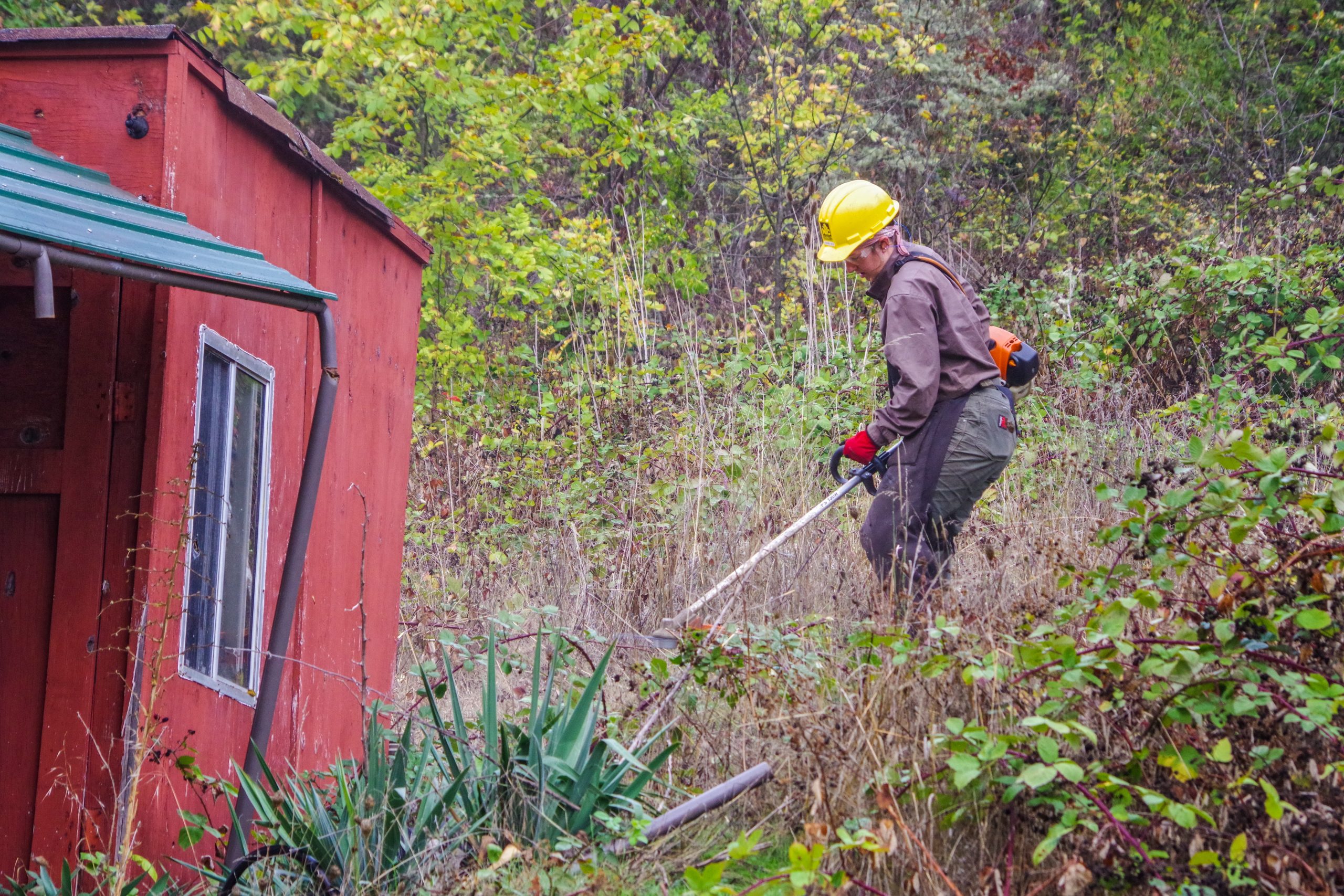
Over the spring and summer of 2025, Fire Management personnel assisted local agencies by patrolling and responding to fires on and near Tribally owned lands, performed fuels mitigation work around Tribal members’ homes, conducted a cultural prescribed burn on Tribal land, and participated in Tribal community events.
In the coming years, Tribal Fire Management will continue to grow and protect the Cow Creek Tribal community from wildfire and other disasters.
For any fire or emergency management-related questions or issues, please reach out to us at firemanagement@cowcreek-nsn.gov.
If this is an emergency, please call 911.
Mission
Cow Creek Tribal Fire Management protects the members and interests of the Cow Creek Band of Umpqua Tribe of Indians by practicing traditional and modern techniques for managing wildfire risk and responding to the threat of wildfire. We are committed to meeting the needs of the Cow Creek Umpqua Tribe by protecting natural and cultural resources, while building pathways for Tribal members’ success and self-reliance.
Vision
To protect future generations of the Cow Creek Band of Umpqua Tribe of Indians, Tribal lands, resources, and assets from the risk of catastrophic wildfire and other hazards, using traditional wisdom and modern fire management practices.
Core Principles and Values
Tribal Fire Management staff embrace the following principles and values:
- Sovereignty
- Safety
- Service
 Creating Defensible Space and Hardening Your Home
Creating defensible space and hardening your home are two of the most effective ways to reduce your wildfire risk regardless of where you live.
Creating Defensible Space
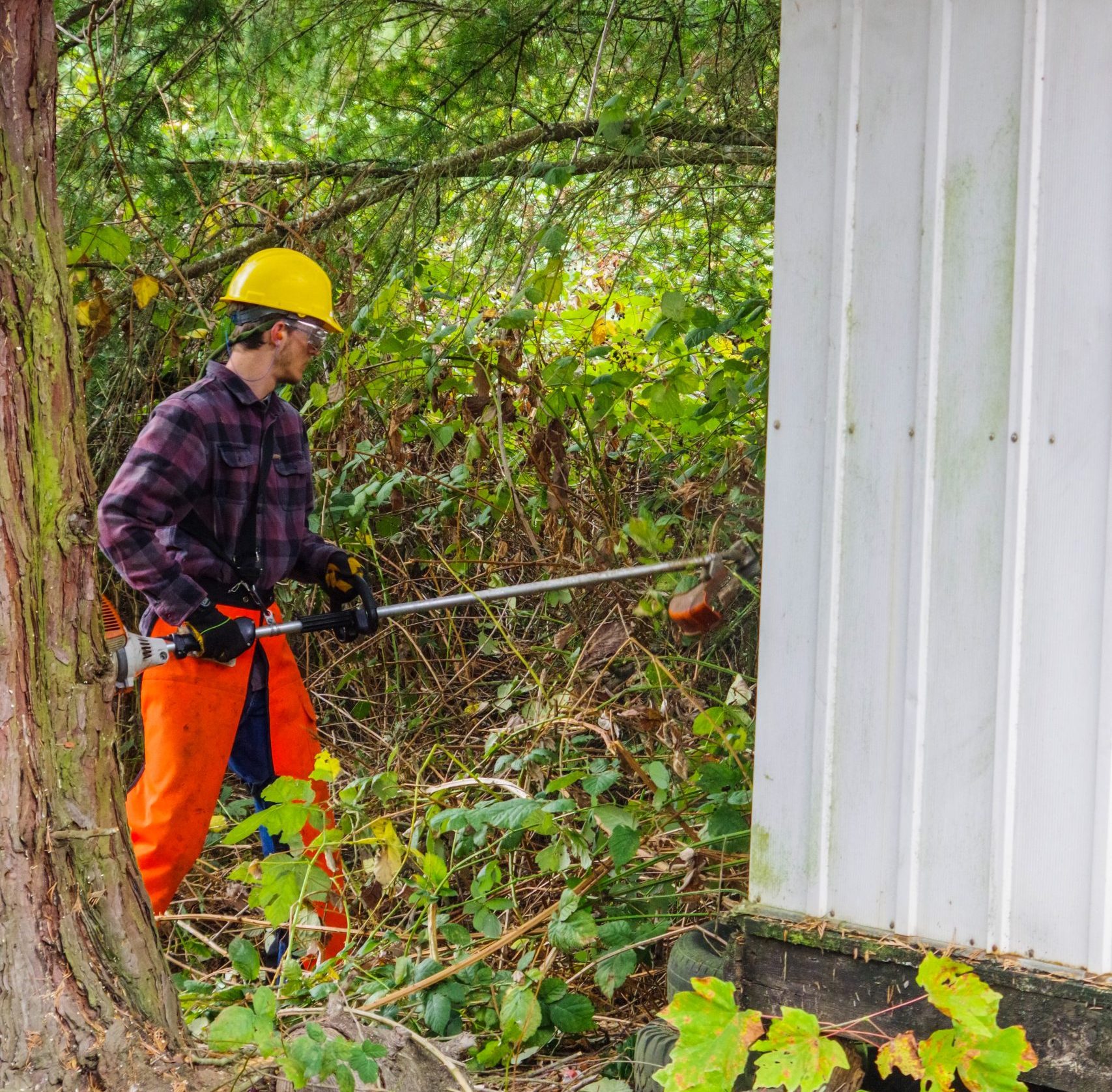
Defensible space is the area around a home or other structure that is managed to reduce wildfire risk by maintaining the grass, minimizing underbrush, removing dead vegetation, and spacing and pruning trees.
Studies have shown that 100 feet of defensible space is adequate in most cases; however, additional defensible space may be beneficial depending on local factors, such as slope and the type of nearby vegetation. While defensible space won’t necessarily stop a wildfire, it can slow its spread and intensity, making it less likely to directly impact nearby structures. Creating and maintaining defensible space is an ongoing process, but it is one of the most practical and proven steps homeowners can take to protect their property.
 Hardening Your Home
While defensible space considers the vegetation around your home, home hardening addresses the parts of the structure itself that are most vulnerable to heat, direct flame contact, and windblown embers that result from wildfires.
Simple steps such as screening vents, sealing cracks, and keeping your roof and gutters clear of debris can greatly reduce the chance of your home catching fire. More extensive home hardening projects, such as replacing your roof, siding, deck, fence, and windows with fire-resistant building materials are also considerations, especially when building or remodeling a home or structure.
Learn More
Beyond protecting structures, home hardening and defensible space projects play a critical role in firefighter safety and effectiveness during an actual wildfire event.
Contact Tribal fire management at firemanagement@cowcreek-nsn.gov for more information about defensible space and home hardening tactics, or to schedule an onsite assessment of your property with Tribal Fire Management staff.
