Breast Cancer Awareness Month Is a Great Time to Boost Nutrition
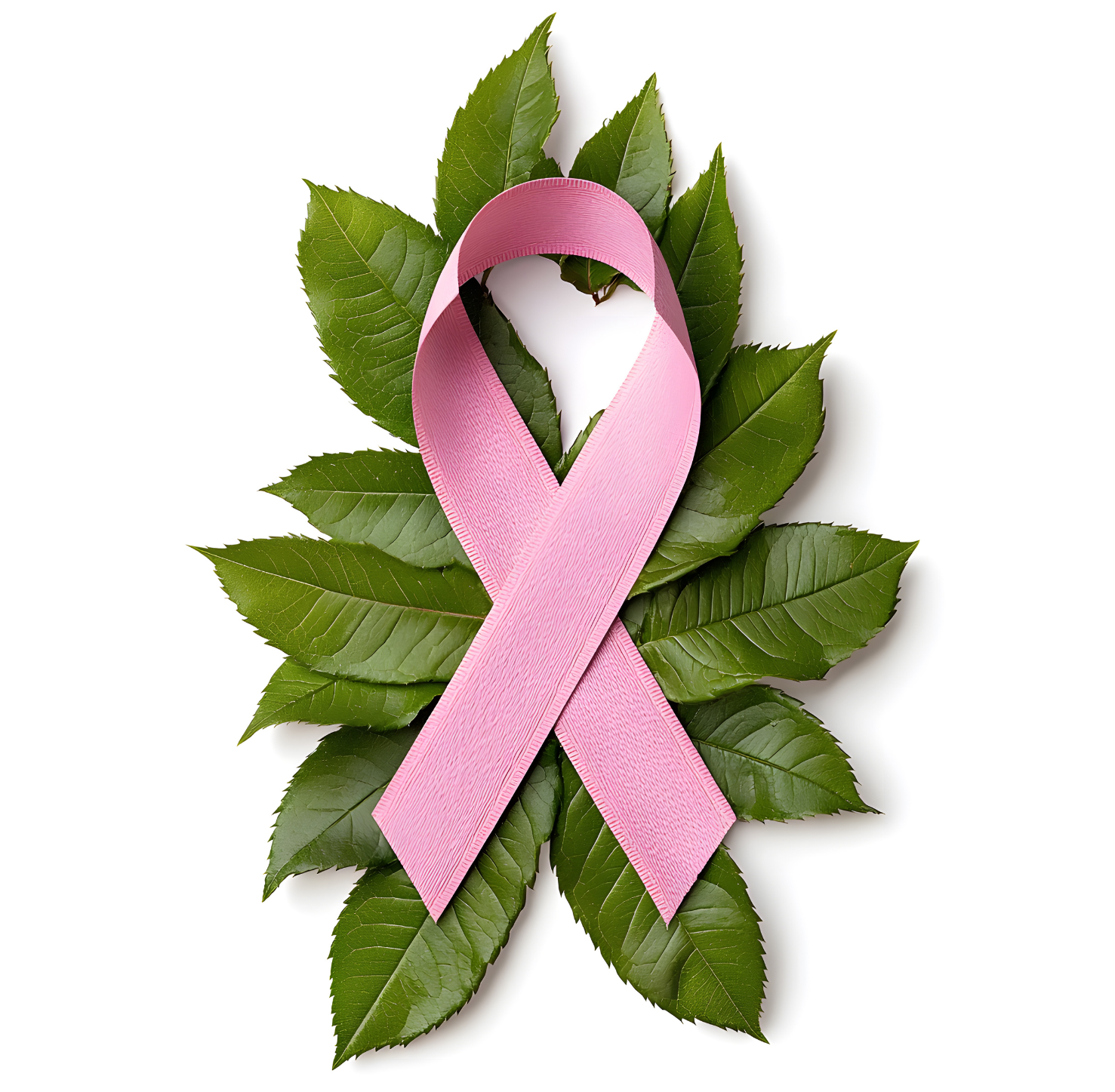 Have you wondered how to curb cancer risk today, or how to improve cancer treatment outcomes? Nutrition is one of the strongest tools we have. Depending on the cancer type, cancer risk can be reduced by 30-50% through nutrition alone.
What’s the Basic Approach?
- Eat a high fiber diet: 30-40 grams in a day is a great target.
- Prioritize plant foods in their whole form, as seen in nature.
- Refrain from added sugars, oils, and white flours.
- Enjoy more greens, beans, onions/garlic, mushrooms, berries, and seeds!
Foods to Optimize Health, Slow Tumor Growth, and Kill Cancer Cells
- With regards to breast cancer, specifically, 80% of breast cancers are estrogen-positive. There are many anti-estrogen foods that reduce breast cancer risk.
- Cruciferous veggies: broccoli, cabbage, kale, radishes, etc.
- Mushrooms: all edible varieties and be sure to cook them.
- Whole soybeans and citrus fruits.
- Ground flaxseeds: 2 tablespoons per day is a common goal.
If the Healthy Living team were to pick one of these foods to cook more often, mushrooms would be it. Even one button mushroom a day makes a difference. Sauté a batch of sliced mushrooms with garlic over medium low heat and eat throughout the week. Or roast mushrooms on a stick over an open fire for a smokey flavor.
Mushrooms can be harvested right here in the Umpqua Valley. If you haven’t already, learning how to confidently identify chanterelle mushrooms is a delicious path to bring their goodness into the kitchen.
Learn more about mushrooms and how the famous foods for reducing cancer risk can become more common on your dinner plate at our October Cooking Demonstration on October 29, 2-3:30 PM at the Healthy Teaching Kitchen at the Roseburg Campus of the Cow Creek Health and Wellness Center (RSVP to 541-672-8533, option#2).
This article comes to you from Cow Creek Health and Wellness Center Dietetics and Healthy Living Team. Please reach out to one of our Lifestyle Coaches for lifestyle and nutrition support, or join one of the Diabetes Prevention Program groups!
Dr. April Gilliom, ND: (541) 672-8533, ext. 5226